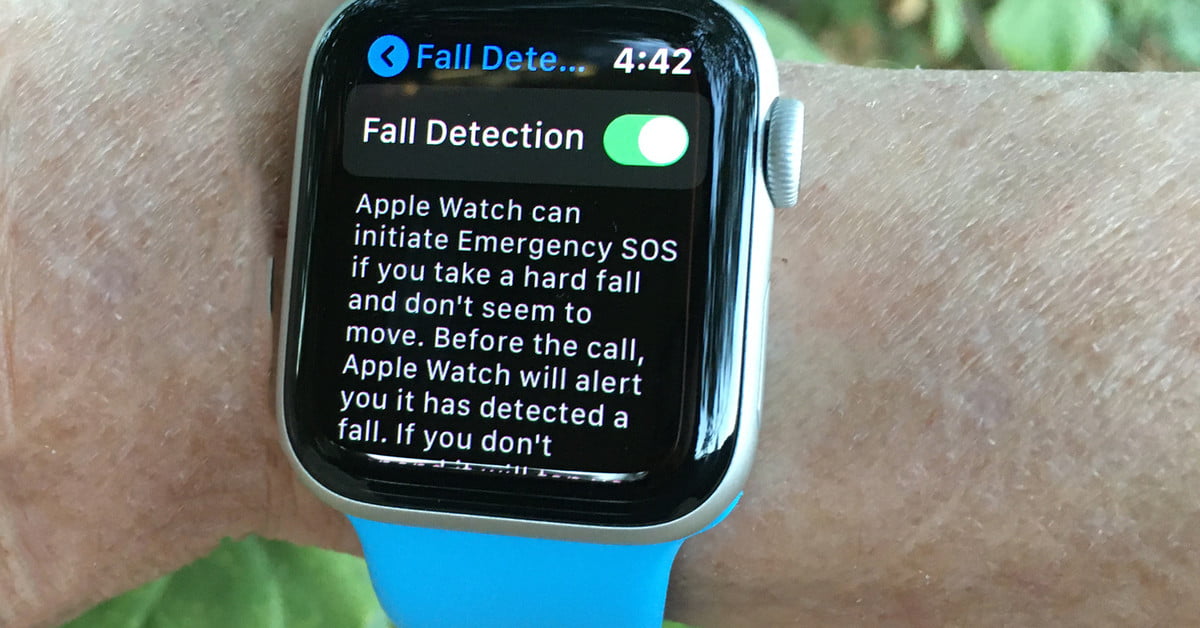
The world of wearables seemed limitless at one point: the sensors were on the wrists, in the ears, fingers and toes woven into clothing and tucked into sneakers and ski masks, among others.
Recently, wearables have had one thing – the Apple Watch, in particular.
Of course, the Apple Watch Series 6 is great. But there is reason to ignore Apple if you’re investigating wearable technology. There are many interesting gadgets that go beyond watches to help us train our bodies, stay healthy and sleep deeper, as well as those that can enhance our innate skills or give them amazing new powers, the Iron Man suit is wearable. Right? This is what happened in the world of wearables.
Fitness wear equipment
When it comes to fitness, there are only two names: Fitbit and Garmin.Fitbit transforms the area with the idea that you can track data with the little things you can clip on your belt, stick it in your shoe, or wear it on a watch strap, the former GPS manufacturer Garmin turned. Used fitness gear years ago, and despite stiff competition from brands like Suunto and Polar (and a little upstart like Samsung), Garmin and it became synonymous with wrist-worn technology. It’s been a few months now and the deep training features have played a big part in helping me become a better runner.

Particularly useful is the Garmin Forerunner 945’s built-in, full-color topographic map that displays elevation data with peaks, roads and points of interest. You can access these maps before your workout to find top places to run or during your workout to get you back to where you started. I also preloaded songs from Spotify directly onto my watch, then paired my Bluetooth headphones with the watch, meaning I don’t have to wrap my phone on my arm or cling to my MP3 player (or Sony Walkman) in sweaty hands to listen to. With my favorite rhythm
There are oximetry monitors, most of which will help you get used to running at high altitude, although there may be other reasons to study your blood oxygen saturation – more in a minute. The heart rate sensor measures 24/7 so you can monitor your resting heart rate and use it to see if you’re exercising too much or are sick. During exercise, the heart rate monitor increases its intensity so that it can capture slight changes in heart rate during exercise. Optical heart rate monitors are generally not as accurate as a chest strap. But our testing with the Polar H10 chest strap shows Garmin is bridging the gap.
Health dressing
The other side of wearable devices is health, and now we can check out metrics that we couldn’t track 10 years ago.Want to closely monitor your blood pressure more than once every six months at a doctor? How much do you need to monitor your heart rate, your stillness, and how active you are? Want to lose weight, be more mindful, live better, be better you? Apple Watch Series 6 can help.
The idea of ”getting the ring” was introduced into the first Apple Watch and is still a great way to stay healthy, which means it’s a solid motivation to go for a few minutes for a walk and meditate. And so on, as tens of millions of Americans work from home or quarantine, we can all use this kind of incentive.

Apple goes a step further with a brand new watch, built on the Forerunner oxygen saturation monitor for medical use … sorta “The blood oxygen monitor is not for medical use.” No. My words Rather, it’s a quote from Apple as taken from an explainer page about the use of Blood Oxygen Measurement (SpO2) in Apple Watch Series 6.
A medical oxygen saturation monitor checks if there is enough oxygen in the blood and is important for people who have had a heart attack or lung disease, asthma, or other respiratory problems. That’s why SpO2. It helps detect serious COVID-1 complications, but uses a medical oxygen saturation meter instead of a consumer product, such as an Apple Watch, in this article on the benefits of owning one at home. Denyse Lutchmansingh from the Yale School of Medicine said, “Unless a patient has lung disease, a pulse oxygen saturation monitor is not necessary.”
However, technologies like these are opening up new frontiers almost every day.There’s no way to examine SpO2 at any meaningful level in the past, making it difficult to pinpoint what the numbers mean. By introducing this feature on a mass scale, Apple has helped researchers drill down and review when and when warnings are warned that you are just you. I think this is a great thing.
Sleep technology
Many devices are intended to track your sleep. From pillows to watches to apps and phones, lots of things tell you how deeply you fall asleep, how effective you are, and so much more (nothing yet can record your dreams). But I’m waiting!). Nothing is doing as well as Oura Ring. An array of tiny MEMS (mechanical micro-dielectric sensors) sensors inside this polished titanium strip measures body temperature, thermal coefficient. Negative, 3D acceleration, spatial positioning, and much more that is scientific

With all of that technology Oura can analyze your sleep more efficiently and most importantly give you advice I slept seven hours and 7 minutes last night, but Oura noticed that I was restless and woke up a few times. It’s true! I do! It was also noted that I had a lot of REM sleep, but not enough deep sleep, which was an easy process to confuse. Deep sleep is the most restoring and rejuvenating. Obviously, there is a lot for me to work on.
Other smart rings, focused on NFC, let you unlock devices and services with the palm of your hand. And with these super cheap chips you can get them for just a few bucks. These things work But not nearly as meaningful
Hearables
The huge growing popularity for true wireless headphones, especially the Apple hockey stick, is gaining a lot of attention in people’s ears today. But in addition to blocking the noise of traffic and letting you listen to the latest Reply All podcast, what you heard today can do just that. Some people can increase your hearing to help you overcome hearing loss, or simply have you focus on the person opposite the table in a noisy restaurant. They are significantly cheaper than hearing aids and do not require Food and Drug Administration approval.
 The cooler continues to be real-time translation enabled by machine learning, artificial intelligence and cloud computing. Many devices offer this technology, including gadgets from Google and Samsung.Heck, you can do it on any Android phone these days.One odd company, Timekettle, goes a step further, likely that offline translation will work even if you. Will not be connected to the cloud.
While the software is still small. But the amazing power it offers to break through that obstacle is amazing. The ability to speak any language, anywhere, anytime – on hikes through the mountains, on vacation abroad, on a mid-ocean cruise – is a change. And still a dream Despite the company’s claims, offline translation is still under development.
Technology can make all the difference But is it done justly and equally? None of these devices are cheap at all. The most expensive are still hundreds of dollars. The billions of people with whom we share the world face the same challenges: poor sleep patterns, abnormal heart rates, lack of exercise, and general health issues. Bringing the power of wearable technology to the wider world is a challenge these companies cannot solve, will 2021 bring change?
Editor’s recommendation